Cigar smoke vs cigarette smoke
Today we talk about Cigar smoke vs cigarette smoke.
As a passionate cigar enthusiast and observer of the tobacco industry, I often find myself drawn into the fascinating world of cigar smoke versus cigarette smoke. This comparison goes beyond mere smoke; it delves into a vast array of health implications, experience differences, and cultural perceptions. Join me on this exploration where I’ll anchor my insights in specific numbers and data, emphasizing the distinct world of cigar and cigarette smoking.
Hogyan különböznek a szivar a cigarettától?
Physical characteristics and smoking experience
The differences between cigars and cigarettes are glaring and multifaceted. Here are some specific contrasts based on industry standards:
- Méret és alak: Cigars can weigh up to 30 gramm, whereas a single cigarette usually weighs about 1 gramm.
- Dohánytípus: Cigar tobacco comprises 100% air-cured leaves, while cigarette tobacco often contains up to 15% additives, including flavoring agents and preservatives.
- Dohányzás időtartama: Átlagosan, smoking a cigar can take about 30 jegyzőkönyv, while a cigarette is typically smoked in just 5 jegyzőkönyv. I personally find that savoring a cigar enhances the experience.
- Inhalation Practice: A felmérések szerint, hozzávetőlegesen 80% of cigar smokers do not inhale deeply, making the smoking experience different from that of typical cigarette smokers.
Vannak -e káros vegyi anyagok a szivarfüstben?

Comparison of chemical composition
Numerous studies have revealed that cigar smoke contains a distinct chemical composition. Például, research indicates that cigar smoke has a higher concentration of carcinogens—up to 3 times more than cigarette smoke. Emellett, cigars can produce approximately 4000 chemical compounds, including formaldehyde and benzene. In my personal smoking experience, being aware of these harmful materials in cigar smoke versus cigarette smoke reinforces the need for cautious indulgence.
A szivarok rákot és más betegségeket okoznak -e?

Common health risks associated with cigar smoking
Az American Cancer Society szerint, cigar smoke is linked to several health risks. I’ve learned that regular cigar smoking increases the risk of:*
- Oral cancers by 5 -hoz 10 idő.
- Nyelőcső -rák, which cigar smokers face a risk increase of 3 A nem dohányzókhoz képest idők.
- Sudden respiratory diseases, as cigar smoke contributes to chronic obstructive pulmonary disease (Botrány).
- Heart diseases, which affects up to 1 -ben 5 regular cigar smokers according to various studies.
Understanding these risks makes me more mindful of my cigar consumption.
Mi van, ha nem belélegezem a szivarfüstöt?

Understanding the absorption of toxins
The common belief that not inhaling cigar smoke mitigates health risks isn’t entirely accurate. Research shows that even without deep inhalation, carcinogens and toxins can be absorbed through the oral mucosa. A study published in the Journal of Clinical Oncology highlighted that 60% of contact with harmful substances occurs in the mouth. This encourages me to approach cigar smoking with a greater awareness of my health implications.
Szivarok addiktívak?
Nicotine dependence in cigar versus cigarette users
Nicotine plays a significant role in both cigar and cigarette smoking habits. Cigar smokers often consume more tobacco per session, leading to higher nicotine exposure, which can create dependency. A 2021 study published in Tobacco Control, 17% of cigar smokers reported transitioning to daily use. This statistic made me reflect on how easy it is to underestimate the addictive potential of cigar smoke compared to cigarettes.
A szivarok kevésbé veszélyesek, mint a cigaretta?

Evaluating the risks of long-term usage
Despite some claims that cigars are less hazardous than cigarettes, this notion requires careful consideration. A comprehensive report by the CDC revealed that long-term cigar users may experience lung cancer rates that are still significantly higher—approximately 40% összehasonlítva a nem dohányzókkal. This statistic reinforces my belief that moderation is crucial, regardless of the type of tobacco used.
Cigar use and its impact on oral health
Oral cancers and periodontal diseases
Research has demonstrated that cigar smoking poses additional risks to oral health, with rates of periodontal disease increasing by 50% among cigar users compared to non-smokers. Konkrétan, oral cancers are noted to occur at a rate of 5 times greater in regular cigar smokers. Az én esetemben, these figures often remind me of the importance of maintaining good oral hygiene and monitoring my health after enjoying a cigar.
A használt szivarfüst egészségügyi hatásai
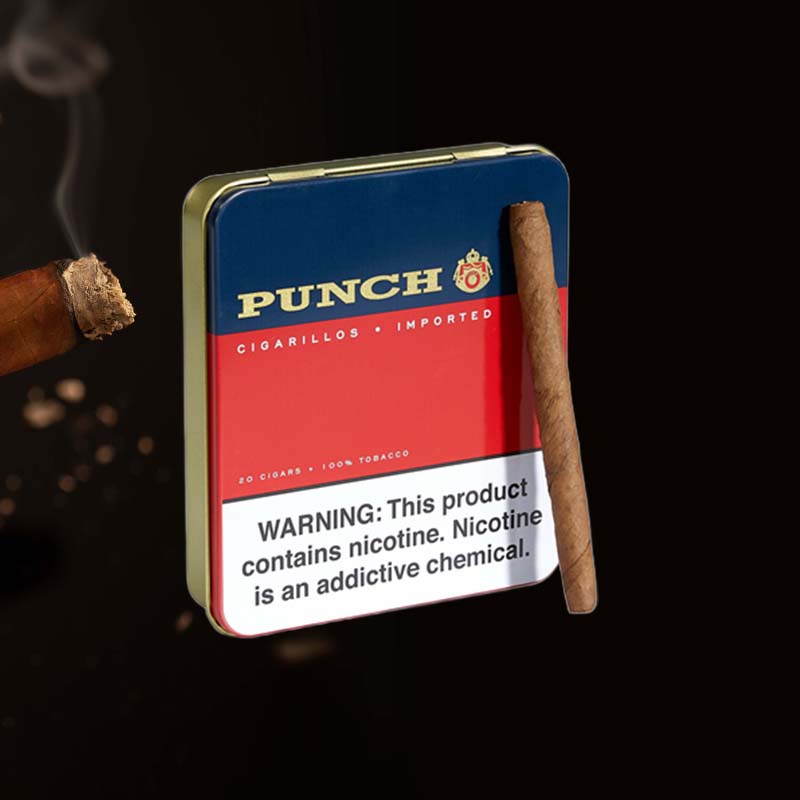
Risks for non-smokers around cigar users
Secondhand cigar smoke carries significant health risks for non-smokers. A study by the American Heart Association found that non-smokers exposed to secondhand cigar smoke faced a 25% increased risk of developing heart diseases. Realizing this has pushed me to be considerate of those around me whenever I partake in cigar smoking.
Comparing smoking techniques: cigars and cigarettes

Differences in puffing frequency and duration
When I enjoy a cigar, my approach differs markedly from that of a typical cigarette smoker. Data indicates that cigar smokers take longer, larger puffs, with an average puff frequency of every minute, whereas cigarette smokers might puff every 5–10 seconds. This change in rhythm and technique not only influences the smoking experience but also the smoke’s intensity, altering health implications associated with each.
What do research studies say about cigar smoke?

Recent findings on long-term health effects
Research studies continuously explore the ramifications of long-term cigar smoking. A 2022 study in the Journal of the American Medical Association indicated that regular cigar use could lead to a 30% increase in overall mortality rates when compared to a non-smoking population. Mint lelkes szivar dohányzó, I find this alarming and it highlights the necessity of remaining educated about the health risks associated with my smoking habits.
Social implications of cigar and cigarette smoking
Public perception and cultural differences
Megfigyeléseimben, cigar smoking is often associated with celebration and leisure, unlike cigarette smoking, which is increasingly viewed negatively due to the public health campaigns focused on its dangers. Data suggests that within social contexts, 60% of cigar smokers prefer to smoke in groups, further enhancing this communal aspect. This cultural delineation makes my cigar sessions feel more special and connects me to a broader community of enthusiasts.
A nikotinpótló termékek segítenek -e a szivar dohányosoknak a kilépésében?

Effectiveness of cessation methods
Nicotine replacement products—such as patches and gums—show varied effectiveness among cigar smokers. One study published in Nicotine & Tobacco Research found that only 10% of cigar smokers successfully quit using these aids, as opposed to 20% of cigarette smokers. Understanding these differences helps me guide conversations about cessation more thoughtfully.
Hogyan kaphatok segítséget a dohányzásról való leszokásról?
Resources and support systems available
For those seeking to quit smoking, numerous resources exist, including quitlines and community support groups. A survey conducted by the National Institute on Drug Abuse found that individuals who participate in counseling have a 40% higher success rate when quitting. I’ve learned that accessing these resources can be invaluable for anyone trying to quit, beleértve magamat.
Understanding flavorings in cigars

Potential health implications of flavored cigars
Ízesített szivar, while appealing, come with their own risks. A 2020 report from the FDA indicated that flavored cigars can attract younger smokers, increasing their risk for nicotine dependence by 15%. Személyesen, I think it’s crucial to remain cautious about flavored options and their potential health implications.
The bottom line: Cigar smoke vs cigarette smoke

Summarizing key differences and health risks
Összefoglalva, when comparing cigar smoke versus cigarette smoke, each has significant risks and experiences. Mint szivar rajongó, I recognize the need for mindful enjoyment and the importance of understanding the full range of health implications associated with both forms of tobacco use.
GYIK

Is cigar smoke worse than cigarette smoke?
While both cigar smoke and cigarette smoke pose health risks, the concentration of carcinogens is typically higher in cigar smoke. Ezért, it’s essential to consider both the immediate and long-term effects on health.
Is it okay to smoke cigars occasionally?
Occasional cigar smoking is often seen as less harmful than regular cigarette smoking, but the risks still exist and should be taken seriously, especially concerning oral health.
How many cigarettes equal a cigar?
Általában, Körülbelül 5 -hoz 10 cigarettes to match the tobacco content in one large cigar; viszont, the smoking experience varies widely based on personal habits and inhalation practices.
Does cigar smoke smell the same as cigarette smoke?
Mint szivar szerető, I’ve found that cigar smoke has a richer, more aromatic scent than the sharper odor of cigarette smoke, often making for a more enjoyable atmosphere during social gatherings.