Blink torch lighter not working
열렬한 시가 애호가로서, few things are more frustrating than reaching for my trusted Blink torch lighter only to find it’s not working. I can still remember the anticipation of my last cigar night, only to be greeted by a stubborn lighter that refused to ignite. It’s a disheartening experience, but the good news is that many issues can easily be resolved. 이 안내서에서, I’ll walk you through the common causes and practical solutions to help get your Blink torch lighter back to life.
Blink Torch Lighter Not Working: Common Causes and Solutions
Understanding why my lighter isn’t functioning properly is the first step to resolution. Here are some common causes I’ve encountered:
- Low or poor-quality butane.
- 잘못된 불꽃 조정.
- Worn out or damaged flint.
- Fuel leaks causing hissing sounds.
- Air trapped in the fuel lines.
- Dirty jets affecting ignition.
Now let’s dive deeper into each aspect to troubleshoot effectively!
고품질 부탄을 사용하십시오

Ensuring Proper Fuel Quality
It’s no secret that the fuel we use directly affects our lighter’s performance. When I first got my Blink torch lighter, I made the mistake of using cheap butane. 날 믿어, investing in high-quality, pure butane made a world of difference. Low-quality butane can lead to clogging and inconsistent flames, which detracts from enjoying a good cigar.
불꽃 조정 확인
How to Adjust Your Lighter’s Flame
때때로, I find that my lighter is either burning too high or too low. It’s vital to adjust the flame to match your needs. Most Blink lighters have a small flame adjustment wheel. A quick adjustment can help restore functionality and ensure that the flame fits the moment, whether it’s lighting up a cigar or a celebratory moment with friends.
부싯돌을 조사하세요

Identifying and Replacing Worn Flint
스파크가 없으면, the flint might be the culprit. After some time, the flint can wear down, and replacing it is straightforward! I’ve learned to always keep spare flints on hand. Just open the flint compartment, 교체하다, and you’re good to go. A sharp flint brings back that satisfaction of a reliable light!
쉿하는 소리를 들어보세요
Diagnosing Fuel Leaks
A hissing sound when trying to ignite my lighter always makes my heart drop. It often indicates a fuel leak. I gently press the lighter to check; if I hear the hissing while pressing down on the trigger, it’s time to refill or seek repairs. Be sure to eliminate any potential leaks before using it!
리필하기 전에 탱크를 피 웁니다
토치 라이터의 물을 빼는 단계
Whenever I refill my lighter, I’ve learned the importance of bleeding it first. 간단한 단계별 가이드는 다음과 같습니다.:
- Place the lighter on a flat surface.
- Use a small tool to press the bleed valve, releasing any excess pressure.
- Wait for the hissing to stop before refilling.
Bleeding helps ensure a clean fill and prevents unwanted leaks.
리필 후 라이터가 워밍업 될 때까지 기다리십시오
Understanding Temperature and Performance
리필 후, give your Blink lighter a few minutes to warm up before using it. I’ve noticed that this wait pays off, as it helps enhance flame stability and performance.
정기적으로 제트 청소

Cleaning Techniques for Optimal Functioning
If I notice a weak flame, I know it’s time to clean the jets. 빨리, gentle blow or using a soft brush can remove debris, keeping my lighter functioning optimally and ready to go whenever I need it.
Troubleshooting the Ignition Mechanism
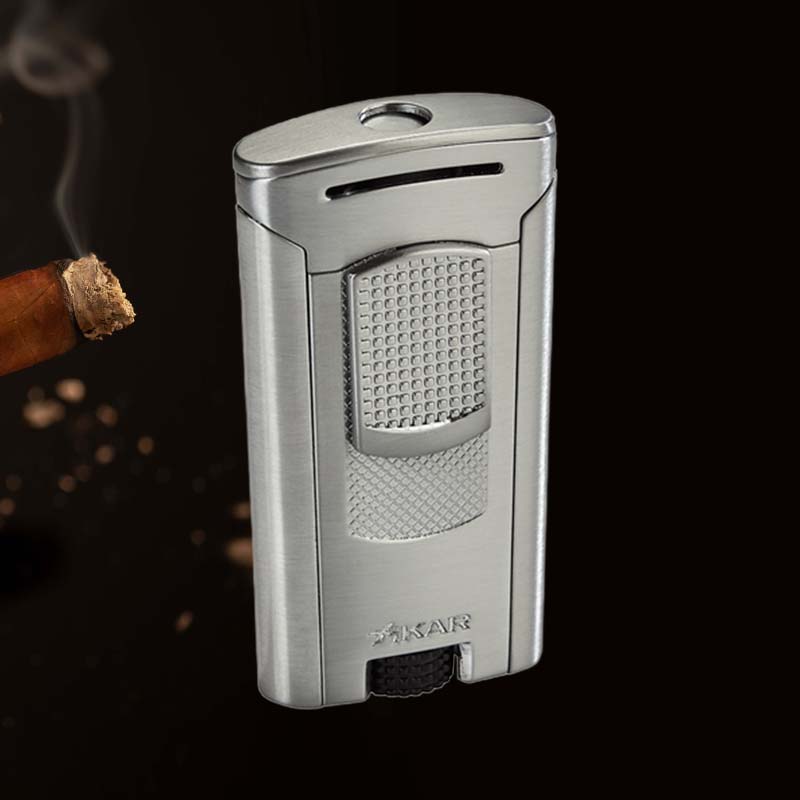
What to Look for When the Lighter Won’t Ignite
When the ignition fails, I check the mechanism carefully. Make sure there’s a click when pushing down the trigger, and inspect for any visible damages. 때때로, a little oil on the ignition assembly can make it work like new again.
연료 라인에 공기가 갇혀 있는지 확인하십시오.

Releasing Air to Restore Functionality
An issue I’ve encountered is air getting stuck in the fuel lines. This can prevent proper ignition. To solve this, I gently bleed the lighter and try to ignite it again. This little trick has saved my lighter from the brink!
Understanding When to Seek Professional Help
Signs It’s Time to Consult a Technician
If, after troubleshooting, my lighter still won’t budge, it could be time for professional help. Signs to watch for include persistent fuel leaks, ignition failures, or a hissing sound that won’t go away. Seeking expert assistance can save a good lighter from an untimely end.
자주 묻는 질문 (FAQ)
Common Queries Regarding Torch Lighter Issues
When my torch lighter won’t ignite, I often ask myself why. Common reasons can include low-quality fuel, 막힌 제트기, or issues with flint. If there’s no butane release, it could be due to air trapped in the fuel lines or malfunctioning internal components.
고객 통찰력: Experiences with Blink Torch Lighters
Reviews and Stories from Users
Reading stories from other users has often helped me troubleshoot. Many share positive experiences once they learned to care for their lighters, just like I did, leading to improved performance and reliability.
Where to Find Replacement Parts
Identifying Spare Parts for Your Torch Lighter
I always ensure I have access to replacement parts, should the need arise. Local cigar shops often provide them, and online retailers can bring these parts right to my doorstep. Having flints and other essentials on hand ensures my lighter is always ready to go.
Final Recommendations for Torch Lighter Care

수명을 보장하는 모범 사례
To keep my Blink torch lighter in top condition, I regularly check its fuel quality, clean the jets, and store it properly away from heat and moisture. Following these steps has greatly improved its lifespan and reliability, allowing me to enjoy many more relaxing evenings with my cigars.
FAQ

내 토치 라이터가 점화되지 않는 이유?
If your torch lighter isn’t igniting, it’s typically due to low butane, a worn flint, or a blockage in the jets. Checking these elements usually resolves the issue quickly!
내 토치 라이터가 부탄을 방출하지 않는 이유?
This could be caused by air trapped in the fuel lines. Bleeding the lighter should help release the air and restore butane flow.
Why is my lighter not working?
Issues with fuel quality, jet blockages, or worn out ignition components can often cause lighters to stop working.
이 횃불은 왜 켜지지 않나요??
If your torch isn’t lighting up, check for butane levels, or ensure the ignition mechanism is functioning correctly. Cleaning or replacing flint may also help.