Butane torch lighter diagram
As someone who enjoys the precision and performance of a butane torch lighter, I find that having a clear understanding of its design and components can elevate the entire experience. Whether it’s for crafting, maisto gaminimas, or enjoying a fine cigar, knowing how everything works helps in the efficient use and maintenance of my lighter.
Overview of Components
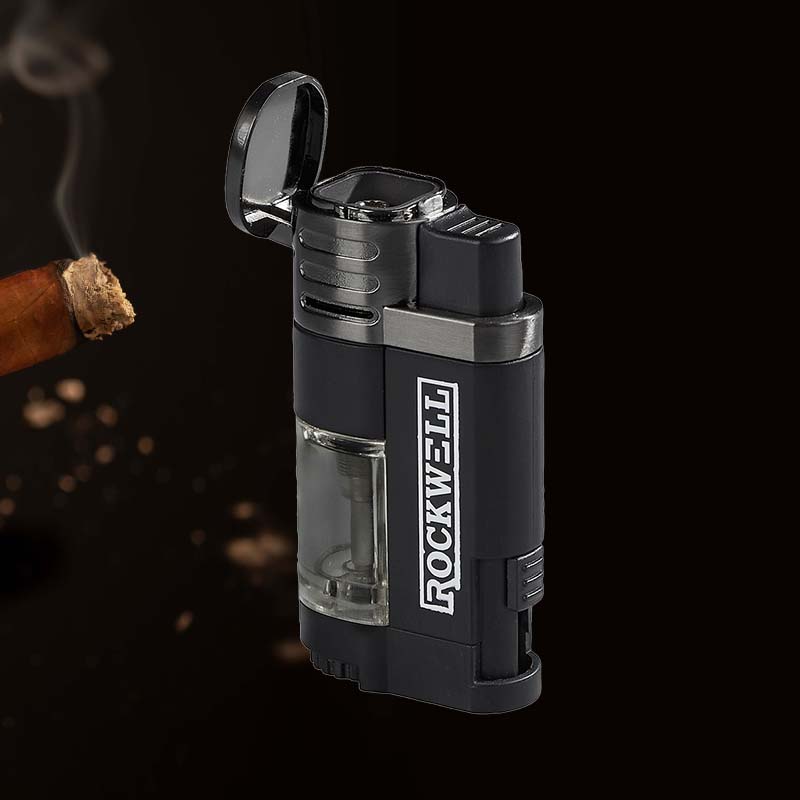
When I look at a butane torch lighter diagram, I’m often dazzled by the intricate components that come together seamlessly. Each part serves a unique function that contributes to the overall performance of the lighter. Understanding these parts not only enhances my ability to troubleshoot but also fosters a deeper appreciation for the engineering behind these tools.
Common Parts in a Butane Torch Lighter
Degalų bakas
The fuel tank is the heart of the lighter, where butane is stored. I often ensure it’s properly filled to enjoy a consistent burn. A fuller tank usually means a hotter flame, which is essential for certain tasks like lighting cigars or soldering metal.
Flame Adjustment Mechanism
This mechanism allows me to control the size of the flame. Whether I need a precise point of heat or a wider spread, adjusting this component makes the lighter more versatile in its applications.
Uždegimo sistema
The ignition system is where the magic begins. By pressing the ignition button, a small spark generates, igniting the butane. I find it fascinating how this small action can produce such a powerful flame.
Jet Nozzle
The jet nozzle is where the butane exits the lighter, transforming from liquid to gas and creating that intense flame. It’s crucial for directing the flame where I need it most, so I pay attention to its diameter for optimal performance.
How to Read a Butane Torch Lighter Diagram
Identifying Key Symbols
Butane torch lighter diagrams often use specific symbols to represent parts and functions. Pavyzdžiui, a flame symbol typically indicates the ignition mechanism, while a small droplet may signify the fuel tank. Familiarizing myself with these symbols has made it easier to troubleshoot and maintain my lighter.
Understanding Flow Diagrams
Flow diagrams illustrate how butane travels from the tank to the nozzle. Understanding this flow helps me ensure that there are no blockages, leading to reliable performance each time I use the lighter.
Maintenance Tips for Butane Torch Lighters
Aukštos kokybės butano naudojimas
Using a high-quality butane is essential for optimal performance. I always choose brands that are known for their purity to avoid clogging the jets in my lighter.
Checking the Flame
I regularly check the flame to ensure it’s steady. A flickering flame usually means there’s an issue with the fuel supply or ignition system, prompting me to look into maintenance or repairs.
Cleaning the Jets
Cleaning the jets is something I actively do to maintain efficiency. I often wipe them down gently with a soft cloth to remove any residue that might inhibit their function.
Bendrosios problemos trikčių šalinimas
Identifying Hissing Sounds
Jei išgirstu šnypštimą, it generally indicates a gas leak. I immediately stop using the lighter and ensure proper ventilation before investigating the cause.
Bleeding the Tank
Bleeding the tank is necessary when I experience inconsistent performance. I follow the recommended procedure to release excess pressure, ensuring my lighter functions properly.
Refilling Safely
Kai ateina laikas papildyti, I make sure it’s done safely by following all guidelines. I avoid overfilling to prevent leaks and ensure long-lasting performance.
Safety Precautions When Using Butane Torch Lighters

Tinkami tvarkymo būdai
Proper handling techniques are crucial. I always point the flame away from my body and others, ensuring that I maintain a safe distance while igniting.
Storing Butane Safely
Kai nenaudojama, I store my butane lighter in a cool, sausa vieta, atokiau nuo šilumos šaltinių. This simple step goes a long way in preventing accidents.
Tinkamo butano degiklio žiebtuvėlio pasirinkimas
Veiksniai, į kuriuos reikia atsižvelgti
Before choosing a butane torch lighter, I consider size, flame control, ir patvarumas. Each of these factors plays a significant role in my overall satisfaction with the product.
Geriausi prekės ženklai, kurių reikia ieškoti
Some brands I consistently trust include Blazer, Snoop Dogg, ir Colibri. Their products have always delivered reliability and performance in my experiences.
Butane Torch Lighter Assembly
Žingsnis po žingsnio surinkimo vadovas
If I ever need to assemble or disassemble my lighter, the first step is to ensure it’s empty. Tada, I follow a detailed manual to properly put it together, reinserting each part carefully to ensure functionality.
Tools Needed for Assembly
I usually require just a screwdriver and a soft cloth for cleaning purposes when assembling my lighter. It keeps the process simple and straightforward.
Customizing Your Butane Torch Lighter

Personalizavimo parinktys
Personalizing my lighter has been a fun journey. I often opt for engraved initials or custom colors to make it truly mine.
Aftermarket Parts and Accessories
There’s a wide range of aftermarket parts available, like replacement jet nozzles or custom flame adjustment knobs. Exploring these accessories has allowed me to extend my lighter’s functionality and style.
Dažnai užduodami klausimai

What Should I Do If My Lighter Won’t Ignite?
Jei mano žiebtuvėlis neužsidega, I first check the fuel level and ensure the ignition button is functioning. Jei butano bakas tuščias, I refill it correctly, and if issues persist, I might clean the ignition system.
Can I Use Any Butane in My Torch Lighter?
Ne visi butanai yra lygūs. I always use high-quality butane that is specifically designed for torch lighters to prevent blockages and ensure a consistent flame.
Where to Buy Quality Butane Torch Lighters
Internetiniai mažmenininkai
I often shop online at sites like Amazon or specialized cigar shops which have a variety of brands and models available, Dažnai konkurencingomis kainomis.
Local Stores and Shops
For a personal touch, I also visit local cigar shops or specialty stores, where I can see the products firsthand and consult experts about my needs.
Conclusion on Butane Torch Lighter Diagrams

Recap of Importance in Maintenance and Repair
Understanding the butane torch lighter diagram has enhanced my ability to maintain and repair my lighter effectively. By recognizing each component and its function, I feel empowered to troubleshoot issues and keep my lighter in peak condition.
How does a butane torch lighter work?
A butane torch lighter works by igniting butane gas, which is stored in a fuel tank. When the ignition button is pressed, a spark ignites the butane as it exits through the jet nozzle, creating a controlled flame.
Kodėl mano degiklio žiebtuvėlis neišskiria butano??

Your torch lighter might not be releasing butane due to a clogged jet or an empty tank. I recommend checking both the fuel level and cleaning the jet to restore functionality.
Kaip reguliuoti butano degiklio žiebtuvėlio liepsnos srautą?

To adjust the flame flow, I typically turn the flame adjustment wheel or screw, often located near the fuel tank. I do this gradually to find the desired flame height.
Kuo skiriasi butano žiebtuvėlis ir degiklio žiebtuvėlis?
Pagrindinis skirtumas yra liepsnos tipas. A butane lighter produces a softer flame, while a torch lighter generates a concentrated, intensyvi liepsna, ideal for high-heat applications.