How to fix a small torch lighter
Įvadas: Pataisykite jums patinkantį reaktyvinį žiebtuvėlį
There’s a certain attachment we have to our tools and gadgets. Man, my small torch lighter is more than just a lighter; it’s a reliable companion during moments of relaxation and celebration, be it lighting a fine cigar or igniting a candle on a peaceful evening. The thought of it failing to work can be disheartening, but I’ve discovered that fixing a torch lighter can be a journey of satisfaction and learning. Join me as I delve into how to fix that small torch lighter you love, and revive the joy it brings into your life.
Why You Should Fix Your Torch Lighter
Fixing your torch lighter rather than replacing it not only saves money but also honors the sentimental value it holds. Each dent and scratch tells a story about shared moments, and reviving its functionality can extend its life to many more memories together.
Žingsnis 1: Taigi, ko jums prireiks
Esminiai įrankiai ir medžiagos
- Mažas atsuktuvų rinkinys
- Compressed air can
- Butano kuras
- Medvilniniai tamponai
- Cleaning solution (like rubbing alcohol)
- Popieriniai rankšluosčiai
Žingsnis 2: Gerai diagnozės laikas, gydytojas

Identifying Common Lighter Problems
Before jumping into repairs, diagnosing the issue is critical. It helps narrow down the solutions. Common problems include:
- Lighter won’t spark
- Silpna liepsna
- Dujų nuotėkis
- Out of fuel
- Unclean internals
- Unusual sounds like hissing
- Effects from humidity
Žingsnis 3: Žiebtuvėlio atidarymas
Safe Ways to Disassemble Your Torch Lighter
Carefully disassembling your lighter is essential to prevent damage. I take the following steps:
- Ensure the lighter is free of gas.
- Use a small screwdriver to remove screws carefully.
- Note the order of parts to aid reassembly.
Žingsnis 4: Kibirkšties reguliavimas
How to Check and Fix Ignition Issues
If your lighter isn’t sparking, I usually check the ignition electrode. Ensuring it’s clean can make a world of difference. If it needs adjustment, gently tweak it using the small screwdriver to ensure better contact with the flint.
Žingsnis 5: Taigi aš tai padariau, Bet aš niekur nepasiekiu

Troubleshooting When Nothing Works
If you’ve done all the steps and still face issues, Nesijaudink. I often consider these possibilities:
- Check the fuel flow path for clogs.
- Ensure the flint isn’t completely worn out and needs replacement.
- Look for tiny debris that might obstruct gas from reaching the burner.
Žingsnis 6: Sudėjimas atgal
Reassembling with Care
Tidiness matters during reassembly. I reverse the disassembly steps, ensuring all components are secure but not over-tightened, which can cause further malfunction.
Žingsnis 7: Tikiu, kad baigėme
Testing Your Torch Lighter After Fixing
After putting everything back, I give it a careful test. I ignite it in a safe area and observe the flame’s intensity and stability. This is a moment of anticipation and relief.
Common Lighter Issues and How to Fix Them
Overview of Frequent Problems
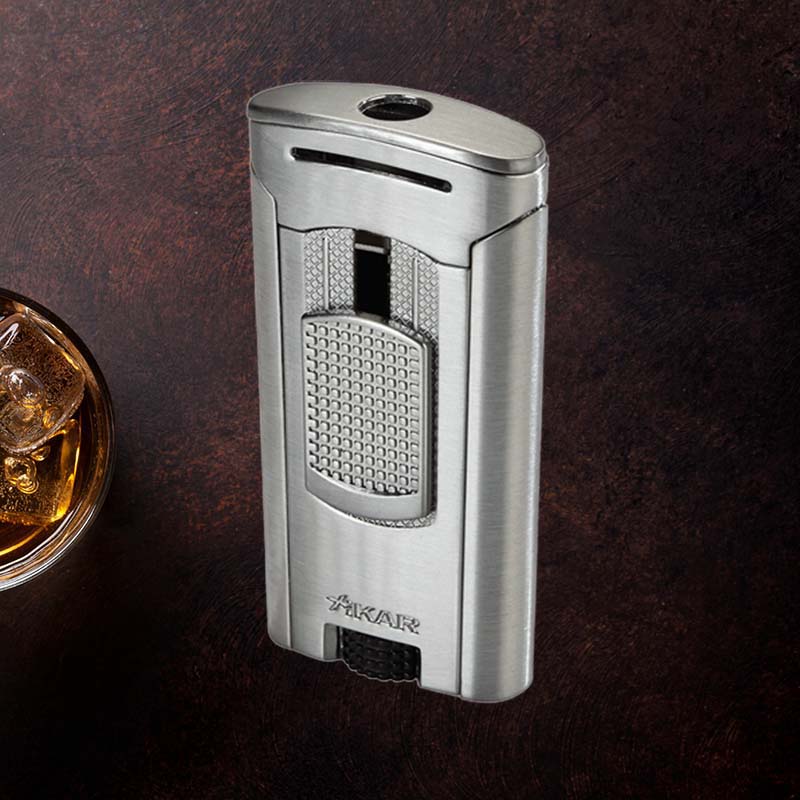
Here’s a roundup of frequent problems that I’ve encountered with torch lighters and how I’ve tackled them effectively.
Lighter Sparks But Won’t Light

Possible Causes and Solutions
If sparks are visible, but the flame doesn’t ignite, the gas flow might be blocked. I clean the nozzle with a cotton swab dipped in cleaning solution to ensure it’s clear.
Silpna liepsna
Identifying and Fixing Flame Issues
I often refill the lighter with fuel and check if the adjustment wheel is set to a higher flame. Jei problema išlieka, it could be due to an obstructed jet that needs cleaning.
Leaks

How to Detect and Repair Gas Leaks
Spotting leaks can be tricky. I spray a soapy water solution over the lighter and watch for bubbles. Jei aptikta, I replace the O-rings or address screws securing the fuel tank.
Out of Fuel
Proper Refilling Techniques
Kartais, it’s as simple as being out of fuel. I use high-quality butane and follow these steps to refill:
- Apverskite žiebtuvėlį aukštyn kojomis.
- Insert the butane nozzle and release gas for about 5 sekundės.
- Let it sit for a few minutes before testing.
Unclean Lighter
Cleaning Your Torch Lighter Effectively
I prioritize cleaning my lighter, especially after heavy use. Disassemble and use cotton swabs with cleaning solution on all components, ensuring everything is clear.
Hissing Sound

Understanding and Resolving Hissing Noises
A hissing sound might indicate a gas leak or over-pressurization. I gently release some gas and check for leak signs, which I’ve learned often helps resolve the sound.
Dampness

Effects of Humidity on Lighter Performance
Humidity can affect lighter functionality. I keep my lighter in a dry place and periodically check it after a humid day, ensuring it’s free from moisture before use.
How to Prevent Lighter Problems
Degiklio žiebtuvėlio priežiūros patarimai
Preventative measures are essential. Kad mano žiebtuvėlis būtų aukščiausios formos, I:
- Clean it regularly to prevent clogs.
- Užpildykite aukštos kokybės butanu.
- Store it in a dry, vėsioje vietoje.
DUK

Kodėl neveikia mano mini žibintuvėlis??
If your mini torch lighter isn’t working, it could be due to empty fuel, an obstruction in the gas path, or a malfunctioning spark mechanism. I often check these areas first.
Kodėl mano degiklio žiebtuvėlis neišskiria butano??

A torch lighter may not release butane if the valve is clogged or broken. I recommend checking for blockages or using a can of compressed air to clear the path.
Kaip pataisyti žiebtuvėlį, kuris nekibirkščiuoja?

Fixing a torch lighter that won’t spark usually involves checking the igniter electrode and ensuring it’s clean and properly positioned. I reset the electrode or clean it to restore functionality.
Kaip pataisyti užsikimšusį degiklio žiebtuvėlį?
To fix a clogged torch lighter, it’s essential to disassemble the lighter and clean the nozzle with a cotton swab soaked in cleaning solution, which I find often clears any blockages effectively.