Repair torch lighter
Įvadas: Pataisykite jums patinkantį reaktyvinį žiebtuvėlį
There’s a certain joy that comes with lighting a fine cigar or igniting a flame for a memorable evening. Tačiau, when that trusty torch lighter malfunctions, it’s like losing an old friend. Aš ten buvau, and it can be quite disheartening! That’s why I’m excited to share with you my step-by-step guide on how to repair your beloved torch lighter, so you can bring it back to life and enjoy those moments again.
Understanding Common Issues with Torch Lighters
Torch lighters are incredible tools, but they can face certain issues over time. Kai kurie common problems I’ve encountered include:
- Inconsistent flame height
- Nesugebėjimas užsidegti
- Low or no butane release
- Užsikimšę purkštukai
By familiarizing ourselves with these issues, we can tackle them effectively and prevent frustration during our cigar enjoyment.
Žingsnis 1: What You’ll Need for This Repair
Esminiai įrankiai ir medžiagos
Before diving into the repair, gather the following tools:
- Atsuktuvo rinkinys (small and medium)
- Suslėgto oro balionėlis
- Flint replacement kit
- Cleaning cloth or paper towel
- Butane gas
- Apsauginiai akiniai ir pirštinės
With these in hand, you’ll be well-prepared for a successful repair operation.
Žingsnis 2: Diagnostic Check – Problemos nustatymas
Key Symptoms of a Malfunctioning Torch Lighter
Diagnostic checks are crucial. Here are the key symptoms that can indicate what’s wrong:
- Doesn’t spark? Could be flint or the ignition system.
- Silpna liepsna? Might be clogged jets or low butane.
- No butane release? Check for leaks or blockages.
Identifying the correct symptom will help narrow down the repair process.
Žingsnis 3: Disassembling Your Torch Lighter
Safety Precautions Before Opening
Before unscrewing anything, I always make sure to take safety precautions:
- Wear safety goggles to protect your eyes.
- Work in a well-ventilated area to avoid gas buildup.
- Ensure your lighter is completely empty of butane.
Taking these steps ensures a safe repair experience.
Žingsnis 4: Adjusting the Spark Mechanism
Steps to Fix Spark Return Path Issues
If your lighter isn’t making that satisfying “snap” when I attempt to ignite it, here’s how I address the spark mechanism:
- Remove the outer casing using a small screwdriver.
- Inspect the spark wheel and ensure it is clean and free of debris.
- Adjust the spring tension if it appears weak.
- Replace any damaged components visibly.
This simple adjustment often revives the ignition.
Žingsnis 5: Troubleshooting Low Flame Issues
How to Diagnose and Fix Flame Problems
If the flame is low or flickering, I always check:
- Butane levels – refill if necessary.
- Jet and nozzle for blockages – clean if required.
- Flame adjuster – turn it to see if that solves the issue.
Tackling these elements can lead to a robust flame once again.
Žingsnis 6: Cleaning the Jet and Nozzle
Tools Needed for Effective Cleaning
To clean the jet effectively, Aš naudoju:
- Compressed air to blow out debris.
- A soft brush to gently clear the nozzle.
- An alcohol swab to remove residue.
Cleaning these areas ensures optimal performance and a cleaner flame.
Žingsnis 7: Checking and Replacing Flint

Guidelines for Proper Flint Replacement
When it comes to replacing flint, here’s my process:
- Locate the flint compartment and remove the old flint.
- Insert a new flint from your kit.
- Follow by tightening the screw back into place.
New flint is essential for reliable sparks every time.
Žingsnis 8: Testing for Leaks

Methods to Ensure a Safe and Leak-Free Lighter
After reassembling, testing for leaks is necessary:
- Spray soapy water around the lighter’s seams and check for bubbles.
- Listen for hissing sounds indicating gas escape.
Prioritizing a leak-free lighter ensures safety while using it.
Žingsnis 9: Reassembling Your Torch Lighter

Final Checks Before Closing it Up
Before closing everything up, Aš įsitikinu:
- Double-check all screws are tightened.
- Ensure the ignition mechanism is correctly staged.
It’s this attention to detail that can prevent future problems.
Žingsnis 10: TAIPA
Preventative Steps to Keep Your Lighter Working Well
To extend your torch lighter’s life, Aš rekomenduoju:
- Keep the lighter stored in a cool, sausa vieta.
- Regularly clean the nozzle and jet.
- Refill butane before it runs completely out.
These simple maintenance steps will provide longevity to your lighter.
Išvada: Enjoying Your Torch Lighter Again
With this guide, I hope you feel empowered to tackle the repairs of your torch lighter confidently. There’s nothing quite like the satisfaction of seeing it work perfectly again, igniting your favorite cigar. Tačiau, always remember; if your lighter still refuses to cooperate after extensive repairs, seeking professional help might be the best choice.
Recognizing When to Seek Professional Help
If you’re struggling with advanced issues or feel overwhelmed, nedvejodami kreipkitės į specialistą. It’s okay; we all need a helping hand sometimes!
Dažnai užduodami klausimai (DUK)
Common Repair Inquiries
Kaip pataisyti žiebtuvėlį, kuris nekibirkščiuoja?
To fix a torch lighter that won’t spark, check the flint first; if it’s worn, replace it. Ensure the ignition system is clean, and consider adjusting the spark mechanism if necessary.
Dėl ko nustoja veikti degiklio žiebtuvėlis?
A torch lighter can stop working due to several reasons, including butane depletion, užsikimšę purkštukai, flint wear, or malfunctioning ignition systems. Diagnosing the issue is the first step.
Kodėl mano degiklio žiebtuvėlis neišskiria butano??
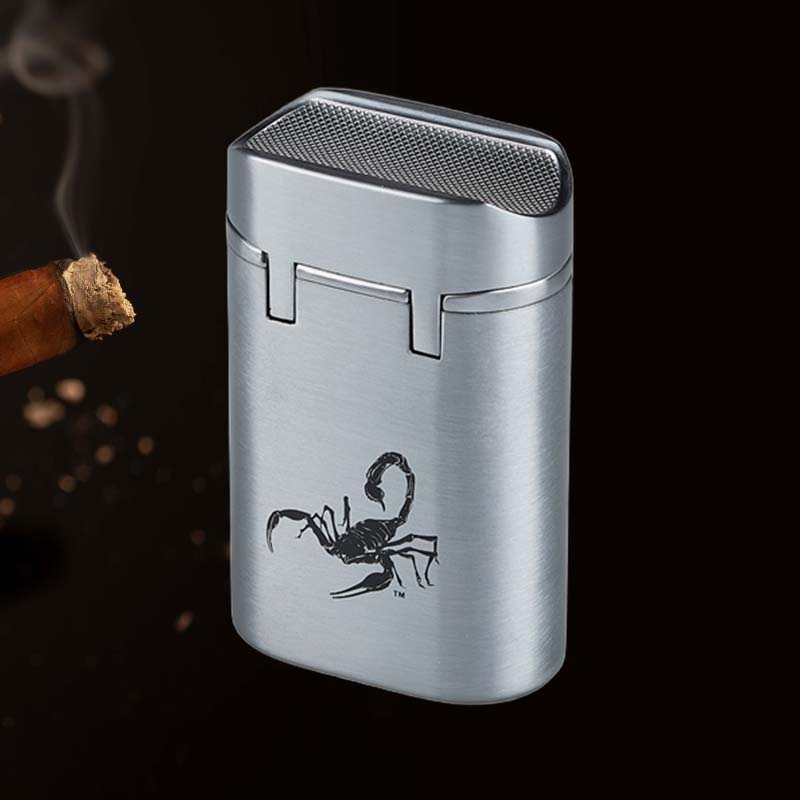
If your torch lighter isn’t releasing butane, it could be due to a clogged nozzle, an internal blockage, or a malfunction in the valve mechanism. Cleaning and inspection are critical.
Kaip pataisyti užsikimšusį degiklio žiebtuvėlį?
To fix a clogged torch lighter, use compressed air to clear out debris from the nozzle. Jei reikia, clean the internal jets and ensure there are no blockages in the fuel pathway.